
Choosing a Bupa dental preferred provider can make everyday dentistry simpler, more predictable, and often more affordable. If you hold Bupa Extras and want to get the most from it, understanding how preferred providers work is the first step. This guide explains the real-world benefits, how to check eligibility, and how to avoid surprises—using plain English and a prevention-first mindset.
What “Bupa dental preferred provider” actually means
A Bupa dental preferred provider is a clinic that has an agreement with Bupa to deliver dental services at set or negotiated fees and to enable on-the-spot claims. You still choose your dentist, but by staying in-network you can often access higher rebates on eligible services than you would out of network. Your exact benefits depend on your policy, waiting periods, annual limits, and the item numbers used at your visit.

Why in-network matters for your budget
Dental bills can feel uncertain when you are not sure what will be covered. Preferred providers help with that. Because fees are agreed in advance, you can ask for item numbers, get an estimate, and know roughly what you will pay before you sit in the chair. For common preventive items—examination, scale and clean, fluoride, bitewing X-rays—this predictability reduces bill shock and helps you plan family check-ups across the year.
Higher rebates on eligible services
When you visit a Bupa dental preferred provider, your rebate percentage for eligible services is typically higher than at a non-network clinic. A higher rebate means a smaller “gap” for you to pay. If you are planning restorative work—such as a simple filling or a crown—it is worth asking your clinic for a written quote with item numbers. You can then contact Bupa or use your fund’s tools to see your estimated rebate and out-of-pocket cost before treatment. This is practical, transparent, and lets you decide with confidence.
Potential no-gap preventive care
Many Bupa members are eligible for no-gap preventive visits at participating clinics. No-gap can include selected check-ups and cleans when specific item numbers are used and when your policy conditions are met. Some plans also include enhanced benefits on selected general dental treatments. These benefits vary, so always check your level of cover, service frequency rules, and remaining annual limits. The safest path is to confirm with Bupa before you book and to keep your receipts and treatment plan for your records.
On-the-spot claiming makes life easier
Most preferred providers use HICAPS or a similar terminal to process your claim while you are at reception. Your rebate is applied instantly and you only pay any gap. This saves you from lodging a claim later and provides immediate clarity on your costs. If you are booking for kids or for multiple family members on the same day, on-the-spot claiming streamlines the entire appointment.
A network built for continuity of care
Life changes—moves, new jobs, growing families. One advantage of choosing a clinic within Bupa’s network is access to a broad group of providers that follow common claiming standards. If you move suburbs or need a referral within the network, you can often keep similar cost expectations and continue active maintenance without disruption. That continuity supports prevention, which is the most reliable way to keep treatment simple and costs down over time.
Who benefits most from staying in-network
- Families juggling school-holiday check-ups and regular cleans. Predictable fees help with budgeting, and eligibility for no-gap preventive services—where available—keeps routine care on track.
- Students and young adults on entry-level Extras who want to maintain regular visits without unexpected expenses.
- Patients planning multi-stage treatment, such as a crown following a root canal, where agreeing on item numbers and quotes upfront removes friction.
- Time-poor or anxious patients who value straightforward costs, a clear plan, and minimal paperwork.
How to confirm your coverAGE in minutes
- Check your policy for dental inclusions, waiting periods, and annual limits. Note whether you have general dental, major dental, or both.
- Ask for item numbers when you receive a treatment plan or quote. Item numbers are the key to accurate rebate estimates.
- Call Bupa or use your member portal to see the estimated rebate and your remaining limits. Confirm if any no-gap benefits apply.
- Book with a Bupa dental preferred provider and bring your membership card to enable on-the-spot claiming.
- Keep your schedule preventive-first. Twice-yearly check-ups and cleans catch problems early and stretch your benefits further.
Practical cost snapshots
Consider a routine preventive visit that includes an exam, scale and clean, fluoride, and bitewing X-rays. At a preferred provider, the clinic works from agreed fees, and your rebate is applied at the time of payment. If your policy includes no-gap for those specific items and you meet all conditions, you may pay nothing on the day. If your policy does not include no-gap, the agreed fees and higher in-network rebate still help reduce the gap compared with out-of-network care.
For a simple filling, the same logic applies. The clinic uses agreed fees, you receive a higher in-network rebate (policy permitting), and you only pay the balance. Because fillings vary by size and location, quotes with item numbers are essential. This gives you a reliable estimate before you proceed.

Fine print that protects you
A smart patient reads the fine print. Keep these points in mind:
- Annual limits and sub-limits apply to many policies. Track your usage across the year.
- Waiting periods may apply if you have a new policy or upgraded your cover.
- Service frequency rules (for example, how often X-rays or fluoride are claimable) can affect your gap.
- Cosmetic dentistry items are generally not covered unless they are part of clinically necessary treatment; confirm before you book.
- Network status can vary by clinic and by service. Confirm that your chosen clinic is a Bupa dental preferred provider for the items you need.
How to choose the right clinic within the network
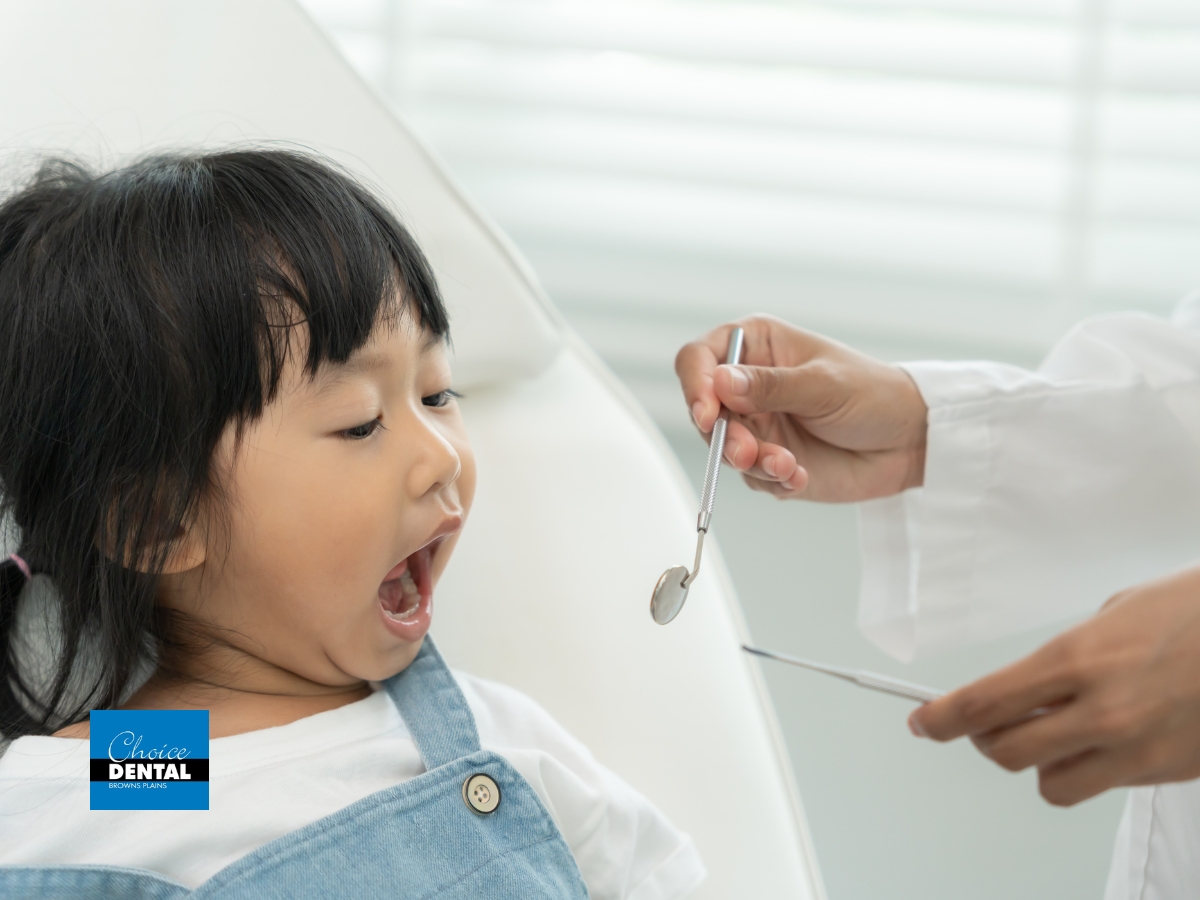
Wondering how to choose a BUPA approved dentist? A network logo is a good start; quality care is the goal. Look for a prevention-first approach, clear communication, and transparent quotes. Ask about technology for diagnostics, options for anxious patients, and child-friendly care if your family needs it. Check that the clinic will provide item numbers in advance and explain your options in plain English. Good clinics are happy to help you maximise your cover while keeping treatment safe and comfortable.
The long-term value of prevention
The biggest financial win in dentistry is avoiding complex treatment. When you see an in-network dentist regularly, you remove barriers to preventive care and make it easy to stay on schedule. Early detection leads to simpler treatment. Simpler treatment costs less and keeps more of your annual limits available for when you really need them. That is the quiet advantage of choosing a Bupa dental preferred provider and sticking to active maintenance year after year.
NEXT STEPS
Benefits can change and individual policies differ. Always treat examples as educational, not promises. Confirm your cover, waiting periods, and limits directly with Bupa, and ask your dentist for a quote with item numbers so you can verify your rebate before treatment.
If you are ready to experience the clarity and convenience of an in-network visit, consider booking with a local Bupa dental preferred provider. Choice Dental is a BUPA approved dentist and offers prevention-first care, transparent quotes, and on-the-spot claiming—so you can focus on your health, not the paperwork.